
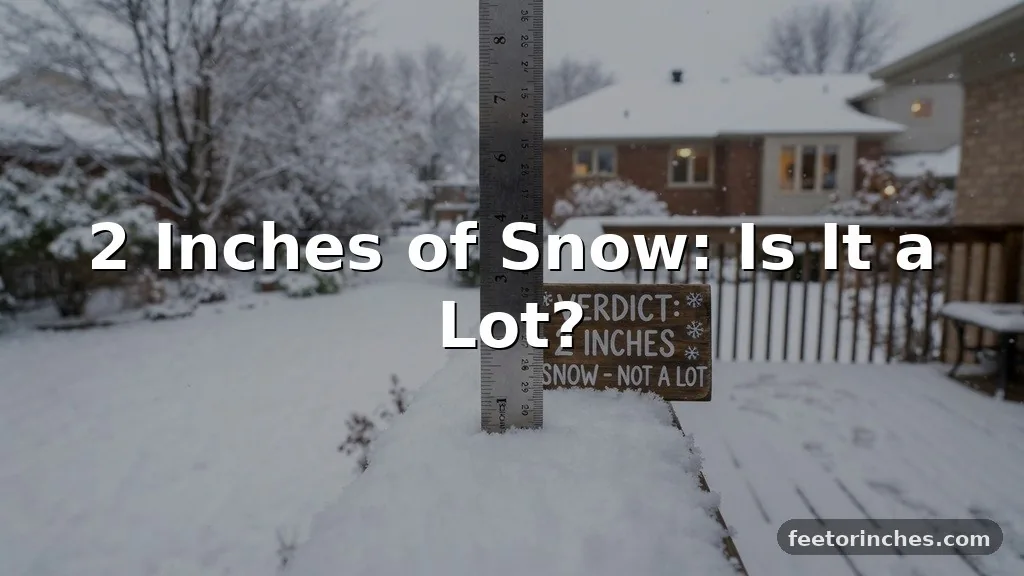
Whether 2 inches of snow qualifies as a major event depends almost entirely on where you live and what your daily routine looks like. For a resident of Buffalo, New York, this amount is barely a nuisance, while for someone in Atlanta, it can trigger a city-wide shutdown.
You are in the right place to understand the practical implications of this specific snowfall. We will break down how local geography, infrastructure, and temperature influence whether this accumulation is a minor inconvenience or a significant obstacle to your plans.
The Verdict on 2 Inches of Snow
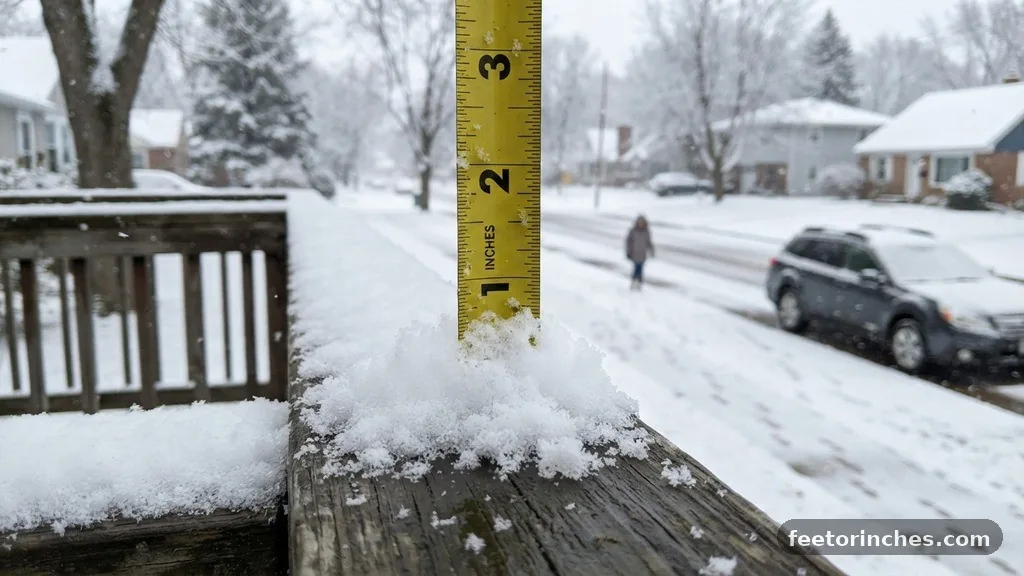
To answer the core question immediately: 2 inches of snow is generally considered a light to moderate dusting, but its impact is highly contextual. In northern climates where snow removal equipment is standard, it is treated as a routine weather event. Conversely, in regions unaccustomed to winter precipitation, this volume can create hazardous travel conditions due to a lack of salt trucks and snowplows.
The following table provides a quick reference for how 2 inches of snow compares to other common snowfall depths in terms of relative impact:
| Snow Depth | Impact Level | Typical Response |
|---|---|---|
| Under 1 inch | Negligible | No action required |
| 2 inches | Low to Moderate | Minor delays, road salting |
| 6 inches | Significant | Plowing required, school delays |
| 12+ inches | Major | State of emergency, business closures |
How Geography Dictates Impact
The perception of winter weather is deeply rooted in local history and preparedness. If you live in a region that experiences consistent snowfall throughout the winter season, municipal crews are calibrated to handle 2 inches of snow with ease. Roads are typically treated with brine or salt before the flakes even hit the ground.
In warmer climates, the story changes drastically. Because the ground temperature is often higher, the first part of the storm may turn to slush or melt upon contact, only to refreeze as temperatures drop at night. This creates a thin, icy layer that is far more dangerous than 2 inches of dry, powdery snow in a colder climate.
Infrastructure and Road Conditions
Infrastructure plays the biggest role in how we categorize a storm. A city with a fleet of heavy-duty plows can clear main arteries within a few hours of the precipitation ending. If your local government lacks this equipment, even a small amount of accumulation can remain on the roads for days.
Consider these factors when assessing the risk of a 2-inch storm:
- Pavement Temperature: If the ground is warm, the snow will melt and potentially turn into black ice later.
- Snow Density: Wet, heavy snow is harder to clear and causes more strain on trees and power lines than light, fluffy flakes.
- Equipment Readiness: Are your local roads prioritized for plowing, or are they left to melt naturally?
- Traffic Volume: Higher traffic volume packs snow into ice faster, making it slicker for later commuters.
The Timing of the Snowfall
The time of day the snow falls is often more important than the total amount of inches. Snow that accumulates during the middle of the day, when temperatures are at their peak, is likely to be managed by traffic and natural melting. If those same 2 inches fall during the evening rush hour, the impact on commuting is magnified.
Nighttime accumulation is particularly tricky. As the sun sets, the rate of freezing increases, and the lack of visibility makes it difficult for drivers to distinguish between wet pavement and a slick, icy patch. If you are checking a forecast, look at the hourly breakdown rather than the daily total.
School Closures and Work Delays
Whether 2 inches of snow is enough to cancel school or work depends on the district’s tolerance for risk. In the Midwest, it is almost unheard of for schools to close for such a small amount. However, in the South, school districts frequently close because the buses are not equipped with snow tires and the drivers lack experience on slick surfaces.
Employers generally view 2 inches as a manageable event. Unless your business is in an area with extreme elevation changes or poor drainage, most offices will remain open. The burden usually falls on the individual to adjust their commute speed and allow for extra time.
Public Safety and Snow Depth
When snow depth reaches 2 inches, it is rarely a threat to structural integrity, but it can be a slip hazard for pedestrians. Sidewalks that are not shoveled quickly will develop a hard-packed surface as people walk over them. This is often where the most injuries occur, as the thin layer of ice becomes invisible to the naked eye.
If you are responsible for property maintenance, it is best to clear the snow before it is compacted. Once it turns to ice, you will need to apply salt or sand to maintain traction. Waiting until the storm ends is usually the most efficient strategy for this volume of snow.
Environmental Factors and Water Content
Not all snow is created equal. A “dry” snow, which often falls when temperatures are well below freezing, has very low water content and is easily blown away by the wind. A “wet” snow, occurring near the freezing mark of 32 degrees Fahrenheit, has a high water content and acts like glue.
Two inches of wet snow can be surprisingly heavy. If you have to shovel it, you will notice the difference immediately compared to the same depth of powder. High water content snow also clings to branches, which can lead to localized power outages if the accumulation is heavy enough to cause limb breakage.
FAQ
Is 2 inches of snow enough to use a snowblower?
Generally, no. Most snowblowers are designed to handle 4 inches or more. At 2 inches, a standard shovel or a push-broom is usually faster and more efficient.
Should I worry about my roof with 2 inches of snow?
You do not need to worry about structural damage from 2 inches of snow. Most roofs are engineered to support hundreds of pounds of weight, and this amount is considered a light load.
How long does it take for 2 inches of snow to melt?
If the air temperature is above freezing, 2 inches can melt in a few hours. If the temperature stays below freezing, it could remain on the ground for several days until the sun works to evaporate it.
Is it safe to drive in 2 inches of snow?
It is safe if you drive slowly, increase your following distance, and ensure your tires have adequate tread. If you are not comfortable driving in winter conditions, it is best to stay off the roads until the plows have cleared the main lanes.
Final Thoughts
Determining whether 2 inches of snow is a lot of snow requires looking at your specific local environment. While it is a manageable amount for most, the impact can be amplified by factors like temperature, timing, and local infrastructure. By keeping an eye on the forecast and understanding how your area typically handles winter weather, you can prepare effectively for any minor delays.
Whether you decide to head out or stay home, knowing that 2 inches is generally a low-impact event should help you plan your day with confidence. If you find yourself facing this amount of snowfall, treat it with caution, stay updated on local road conditions, and reach out if you have further questions about winter safety.
You may also like: 18 mm in Inches
You may also like: 225 mm to Inches




